🎉 New Achievement Accomplished
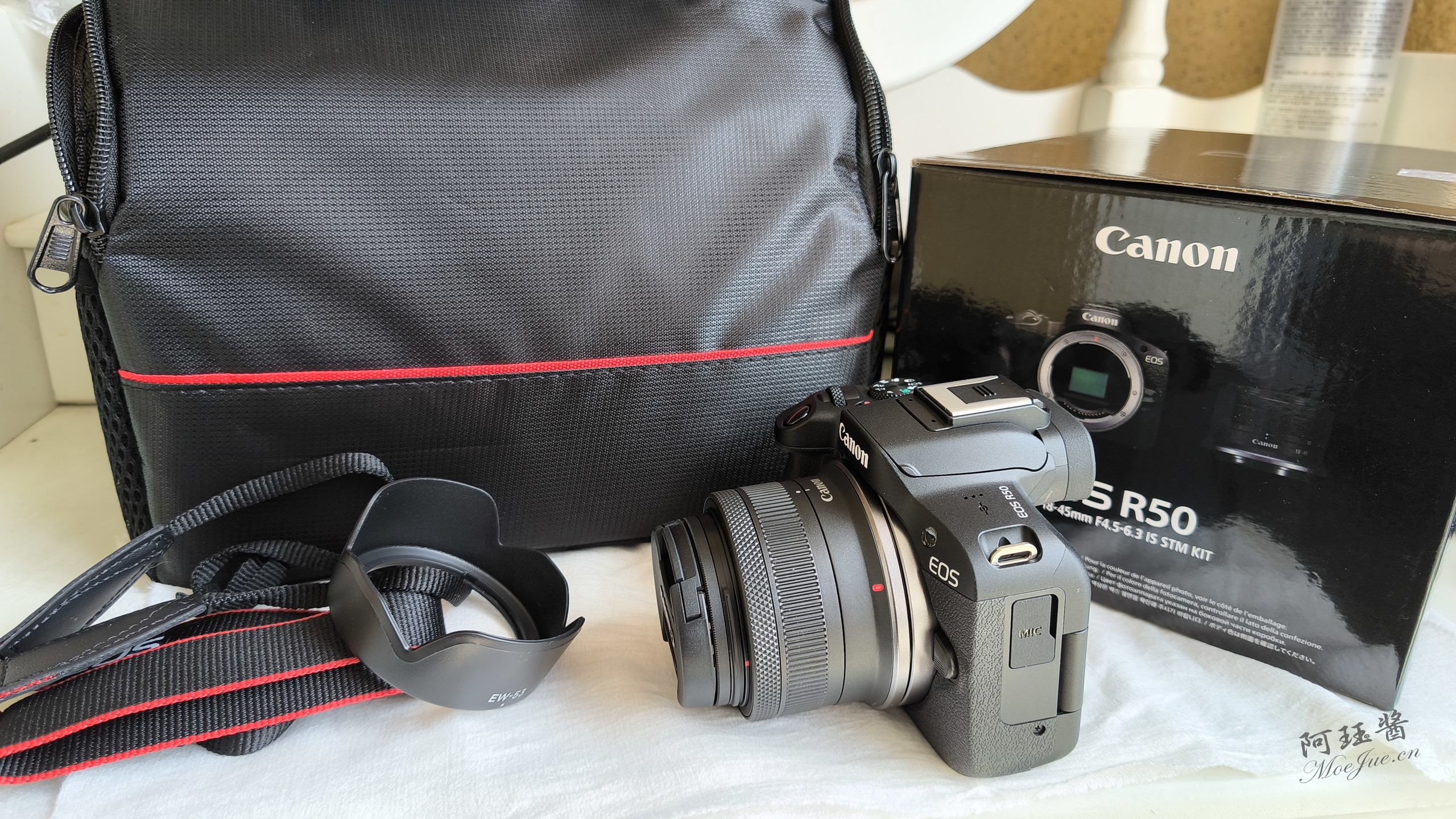
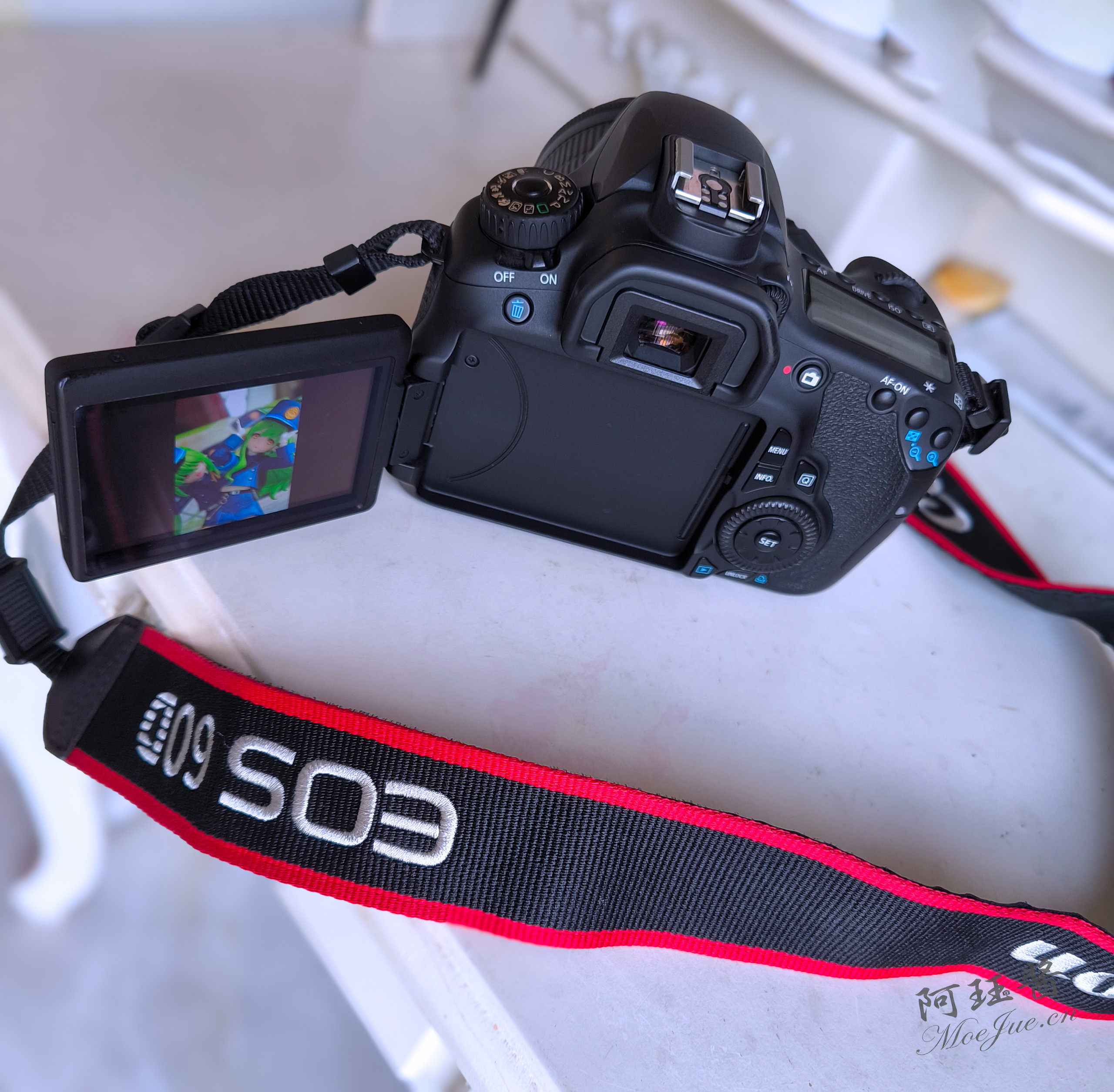
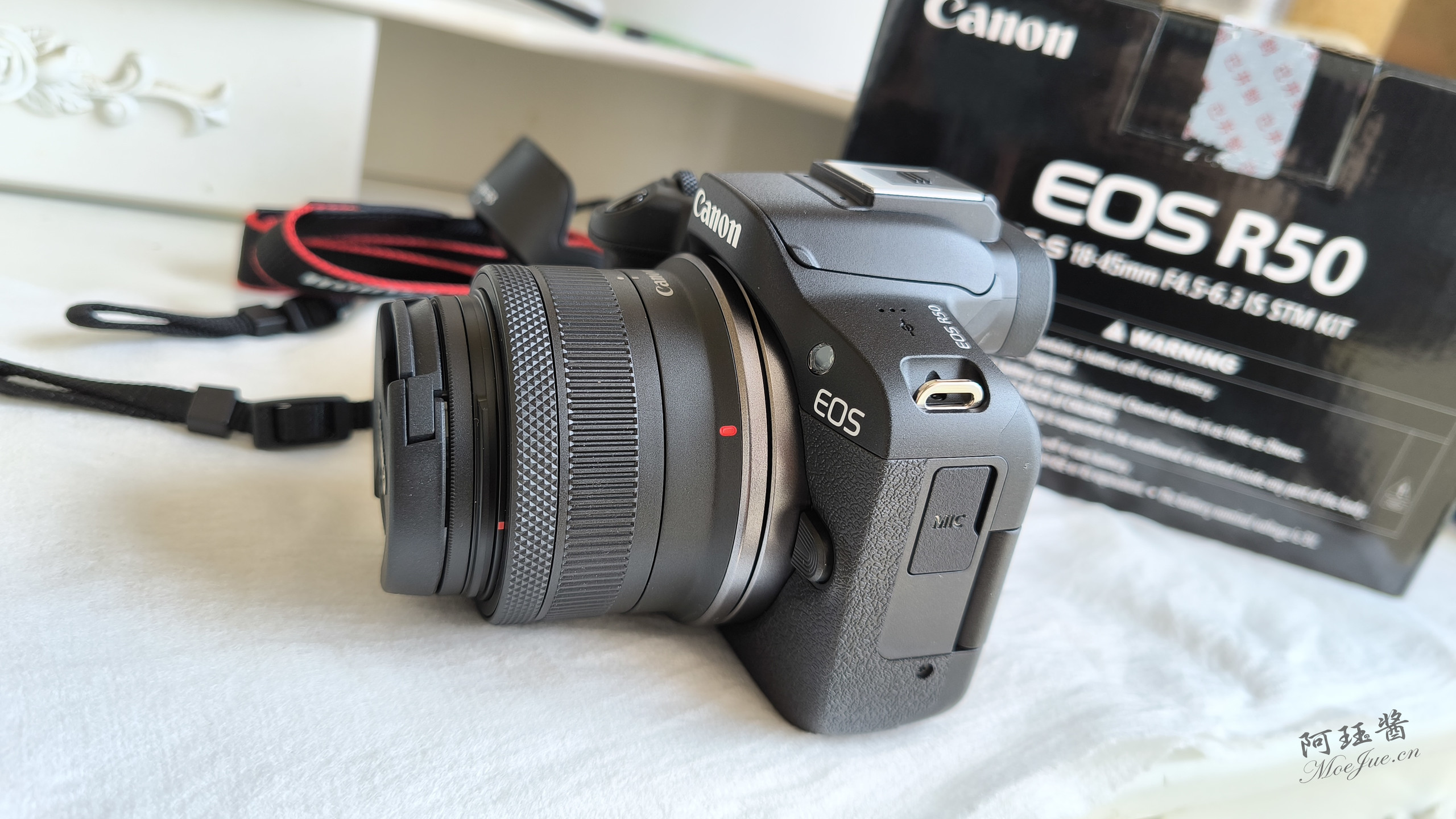
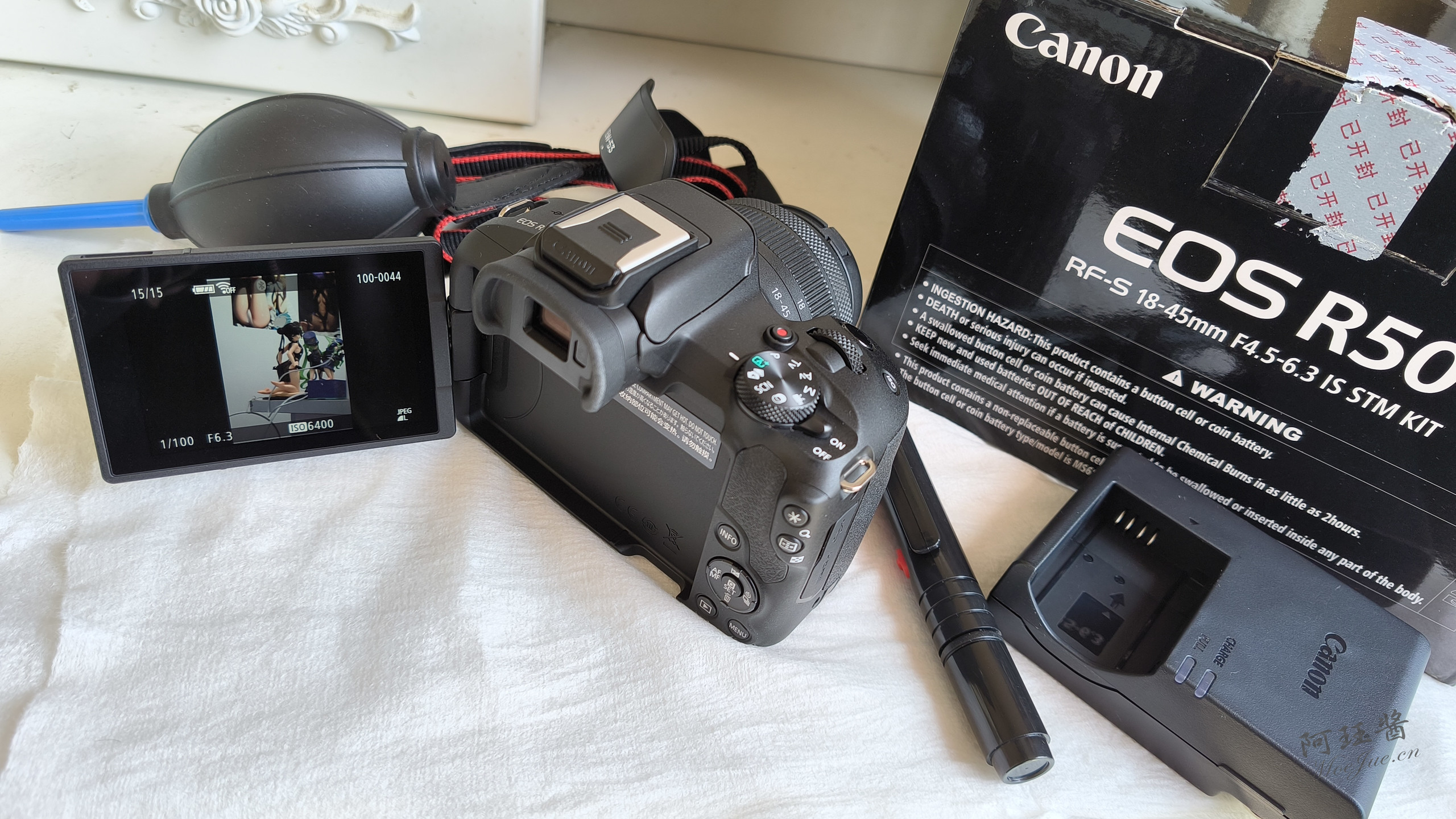
I recently upgraded my photography gear, swapping out my Canon 60D, which I’d been using for a while, for a Canon R50.
One is a classic mid-range DSLR from 2010, the other an entry-level mirrorless camera from 2023. These two cameras span over a decade of technological evolution, and I wanted to experience what modern mirrorless cameras are really like.
1. My First DSLR: Canon 60D
The Canon 60D was once the “dream camera” for many photography enthusiasts.
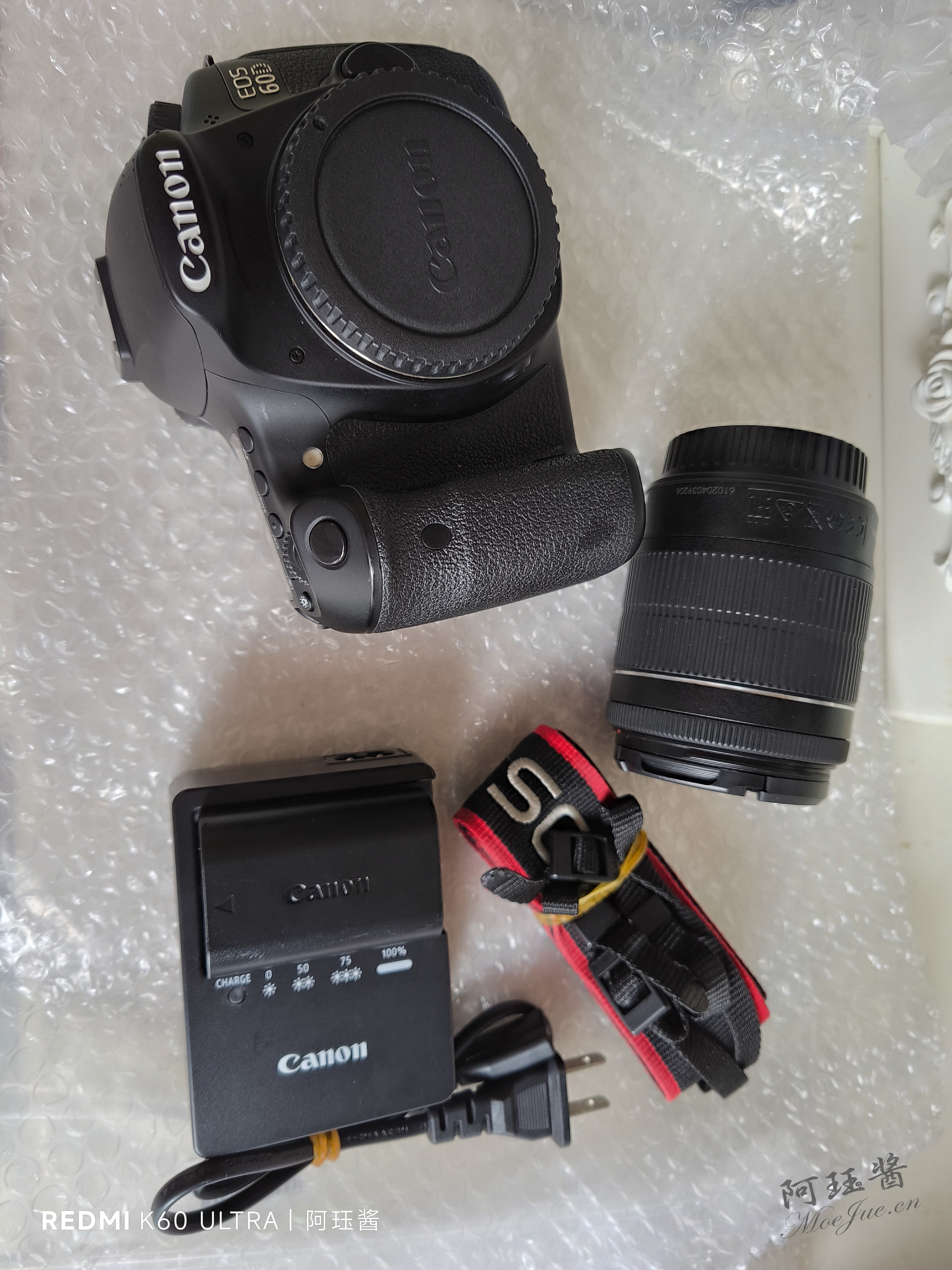
I originally bought it mainly because:
- It had excellent grip and feel
- Professional-level controls
- More affordable than the 7D
- A wide selection of EF lenses
At the time, I felt the 60D was quite “professional”: it was a large body with many buttons, looking very much like the cameras used by professional photographers (laugh).
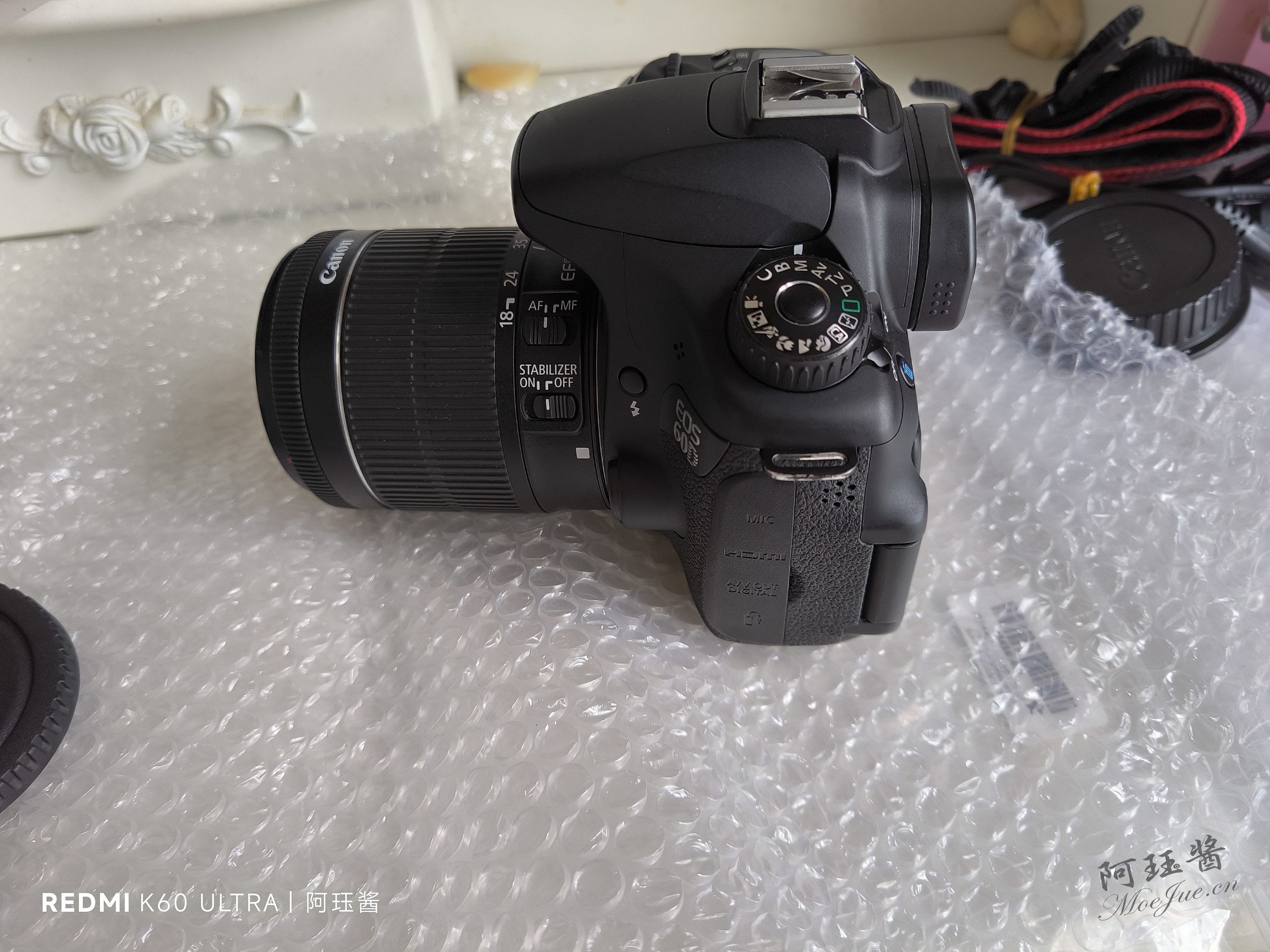
The 60D’s greatest feature was actually reliability and durability:
- Batteries lasted exceptionally long—one battery could shoot for hours
- A solid, well-built body that felt like a real camera in your hands
- Shooting through an optical viewfinder had a special sense of ritual
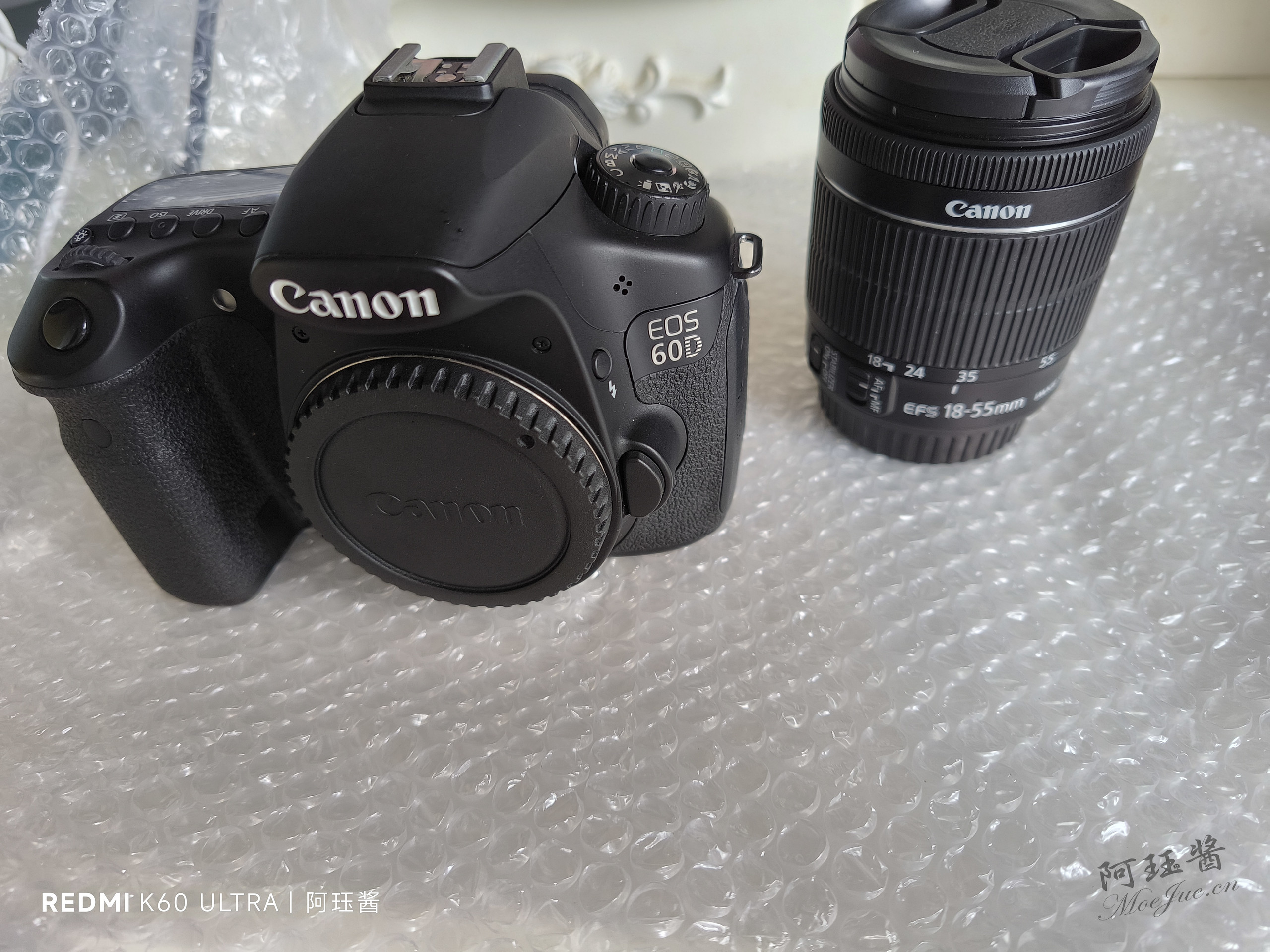
However, over time, I also began to notice its shortcomings:
- Only 9 autofocus points
- Relatively slow autofocus speed
- Video limited to 1080p
- Relatively heavy body
Especially as smartphones and new cameras have advanced rapidly, this older DSLR started to feel a bit “outdated.”
2. Why I Chose the R50
When considering an upgrade, I actually looked at many models, such as:
- R100
- R5
- Sony or Nikon
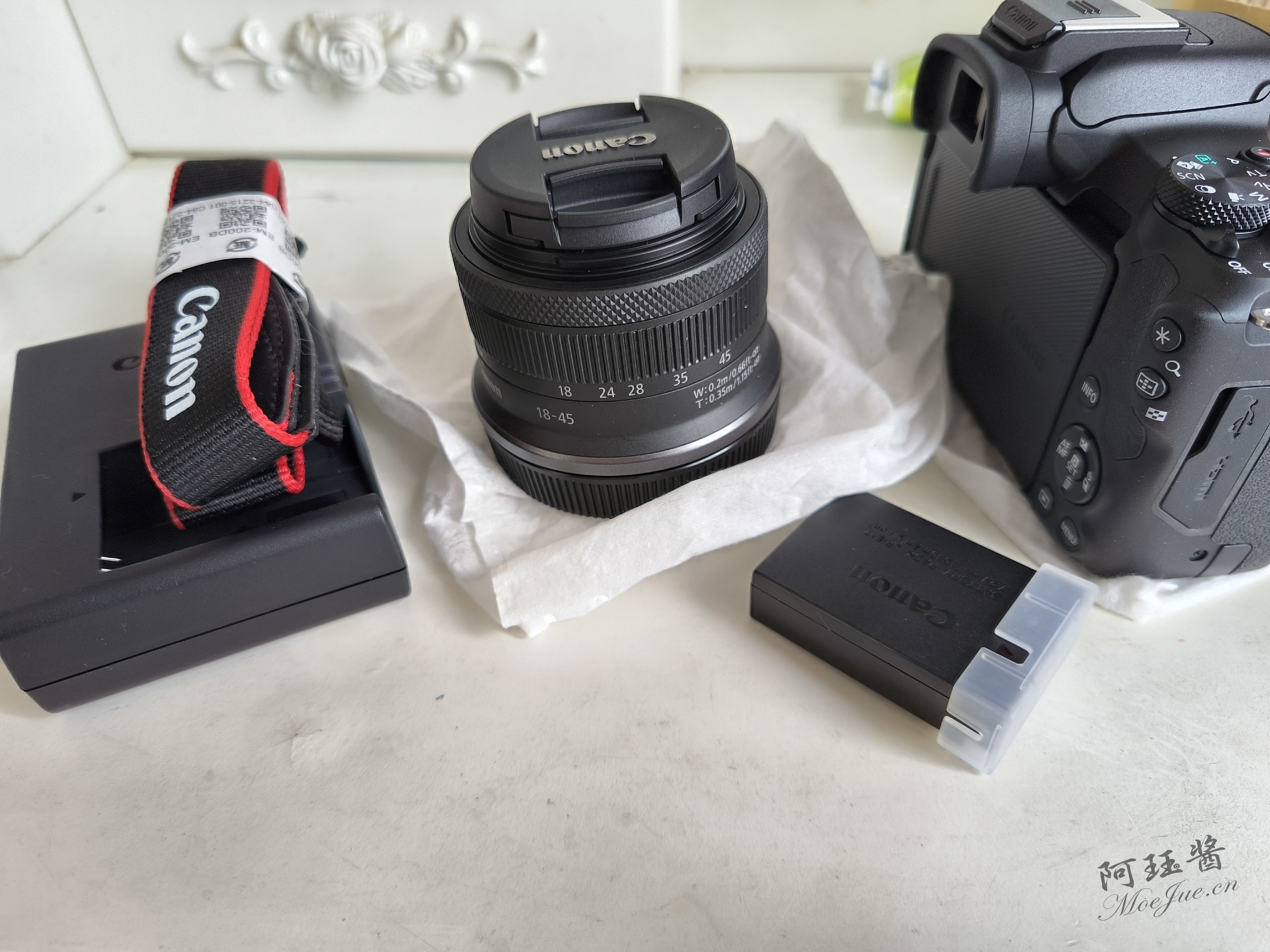
In the end, I chose the R50 for simple reasons:
- Relatively affordable price
- Extremely lightweight body
- Powerful autofocus system
- Supports 4K video
The R50 is a very typical entry-level mirrorless camera, but its technology actually comes from higher-end models.
3. The Shift from DSLR to Mirrorless
The first thing I noticed with the R50 was:
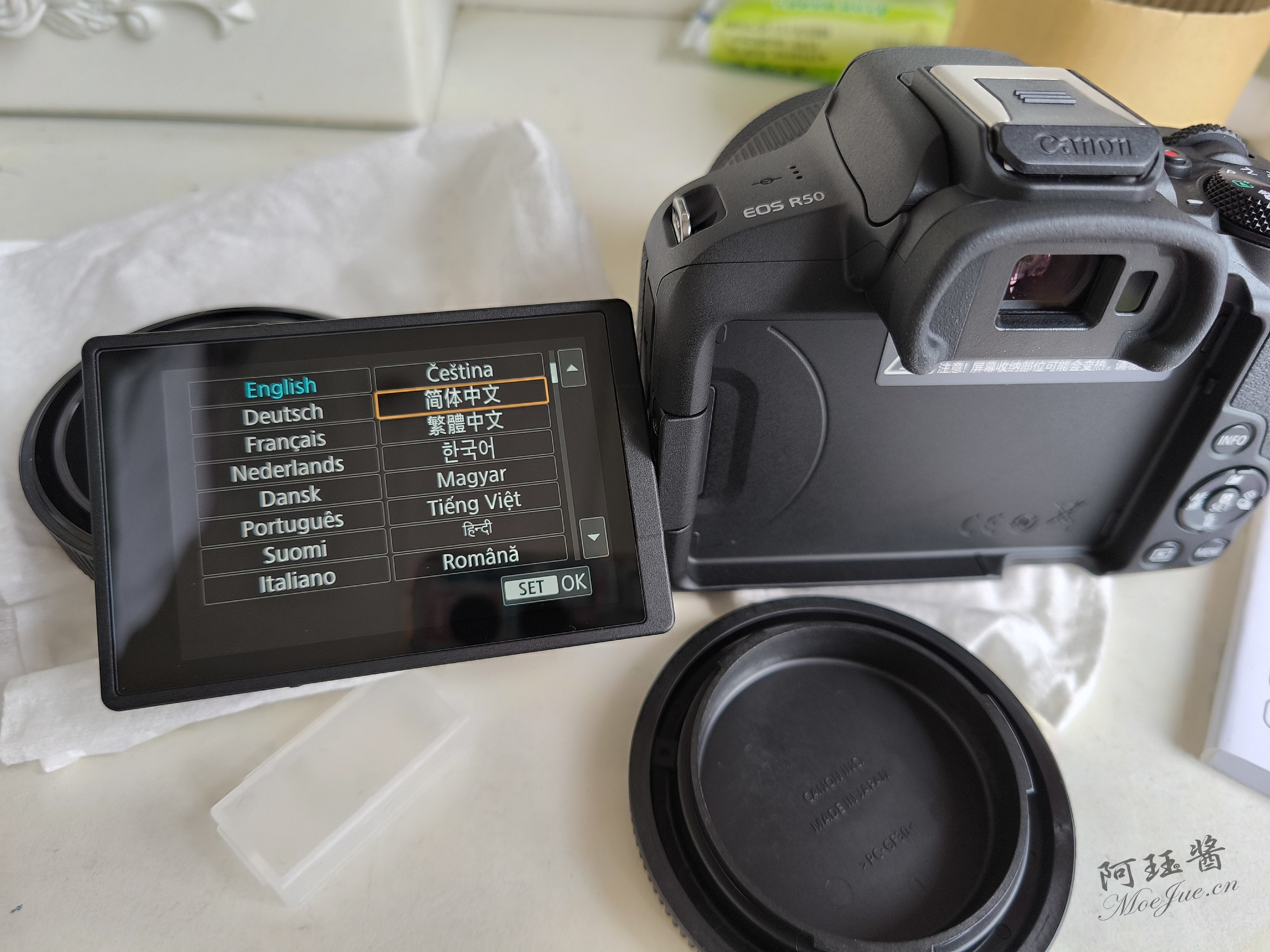
It’s so light and small. Even a bit of a plastic feel, making it more suitable for women with smaller hands.
The 60D weighs about 755g, while the R50 is only 375g—almost half the weight.
Before, carrying the 60D all day would make your back a bit sore.
Now, with the R50, you can carry it around all day without feeling much strain.
Another major change is the electronic viewfinder.
DSLRs use optical viewfinders, where what you see is the direct image from the lens;
the R50 uses an electronic viewfinder, showing you a preview of the final exposure.
4. A Massive Improvement in Autofocus Experience
If there’s one area where the upgrade is most obvious, it’s the AI+ autofocus.
60D:
- 9-point autofocus
- Mostly used the center point
- Average subject tracking
R50:
- Full-frame autofocus
- Face detection
- Eye detection
- Animal detection
When shooting portraits, the camera almost automatically focuses on the eyes—very convenient.
Before, you had to constantly check focus; now, you mostly just need to compose the shot.
5. Improved Video Capabilities
The 60D’s video was already decent back then, but it looks basic by today’s standards.
The R50 supports:
- FHD 120p
- 4K 30p
- 6K oversampling
If you want to shoot vlogs or daily videos, the R50 is much more convenient.
6. Some Minor Regrets
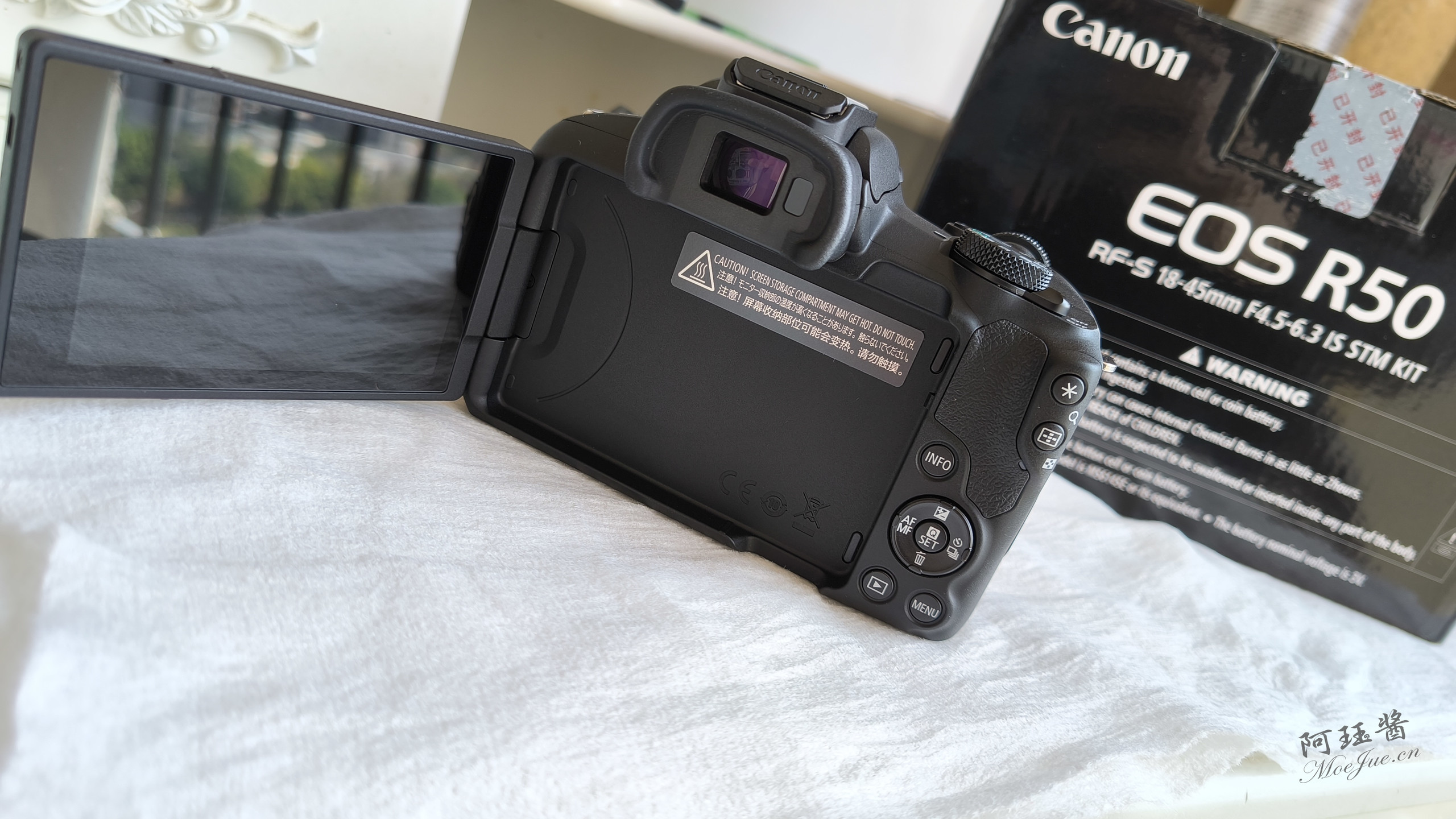
Of course, the R50 isn’t perfect.
For example:
- Battery life isn’t as long as the 60D
- The smaller body might feel unstable for users with larger hands
- No top LCD screen
- No joystick
- Original RF mount lenses are expensive
But considering its positioning and price, these are mostly acceptable.
A small camera, capturing big subjects
Final Thoughts
Going from the 60D to the R50 wasn’t just about upgrading cameras.
It felt like moving from the DSLR era to the mirrorless era.
The 60D had a very traditional camera feel:
solid, reliable, with a strong mechanical character.
The R50, on the other hand, feels like a clever little machine:
lightweight, fast, and handles many tasks automatically.
As for which is better, it’s hard to say simply.
But right now, I really enjoy carrying the R50 and casually shooting things around me.
Photography doesn’t have to be highly professional—sometimes it’s just about capturing life.
Specifications Table
| Item | Canon R50 | Canon 60D |
|---|---|---|
| Release Year | 2023 | 2010 |
| Camera Type | Mirrorless | DSLR |
| Sensor | APS-C | APS-C |
| Megapixels | 24.2MP | 18MP |
| Autofocus | Dual Pixel CMOS AF II (very strong) | 9-point AF |
| Continuous Shooting | 15 fps (electronic shutter) | 5.3 fps |
| Video | 4K 30p / 6K oversampling | 1080p |
| Viewfinder | Electronic viewfinder | Optical viewfinder |
| LCD Screen | Flip touchscreen | Flip screen |
| Weight | 375g | 755g |
| Battery Life | ~370 shots | ~1100 shots |